http://neurosurgeonbangalore.com
You cant make O3FA
Omega-3 fatty acids are critical for good health, yet the body can't
make these vital fats on its own, so you need to eat omega-3-rich foods
several times a week to maintain an adequate supply.
Omega-3s
play a variety of roles in the body, but they're best known for
supporting heart and brain health. They help the heart by preventing
abnormal heart rhythms, and they also ease the inflammation that can
contribute to coronary artery blockages.
DHA, an omega-3 in fish, eggs, and organ meats, is a
necessary building block for brain development in babies before and
after birth. Research also suggests that nourishing your brain with
omega-3s may reduce your risk of depression and related mood disorders.
How Omega-3s Help the Heart
Omega-3s can reduce triglycerides (a type of fat in your blood) and raise HDL (the "good" cholesterol) that can reduce your risk of heart disease and lower blood pressure slightly. The two omega-3s most important to the heart are EPA and DHA, found in fish, especially fatty fish. That's why the American Heart Association recommends at least two servings of omega-3-rich fish a week. Standout sources include salmon, sardines, tuna, and herring
Fish
It might take two
to three months of frequent meals of fatty fish or other omega-rich
foods for your body to achieve a healthy level of these fats (and for
you to see the benefits).
"You can't just eat some salmon and expect to
feel better tomorrow"

In addition to coldwater fish, fortified
eggs are another good source. Be sure to choose a brand that includes
DHA, which may offer a wider range of health benefits than ALA, another
omega-3 commonly added to eggs.
Walnuts
 |
| Walnut: Nature made it look like what it makes.... Brain ! |
Walnuts and flaxseeds contain ALA, making them an important choice for
vegetarians or people who don't eat fish. But the body
doesn't use ALA as efficiently as DHA and EPA, so you may miss some
health benefits if it's your only omega-3 source.
Flax Seeds
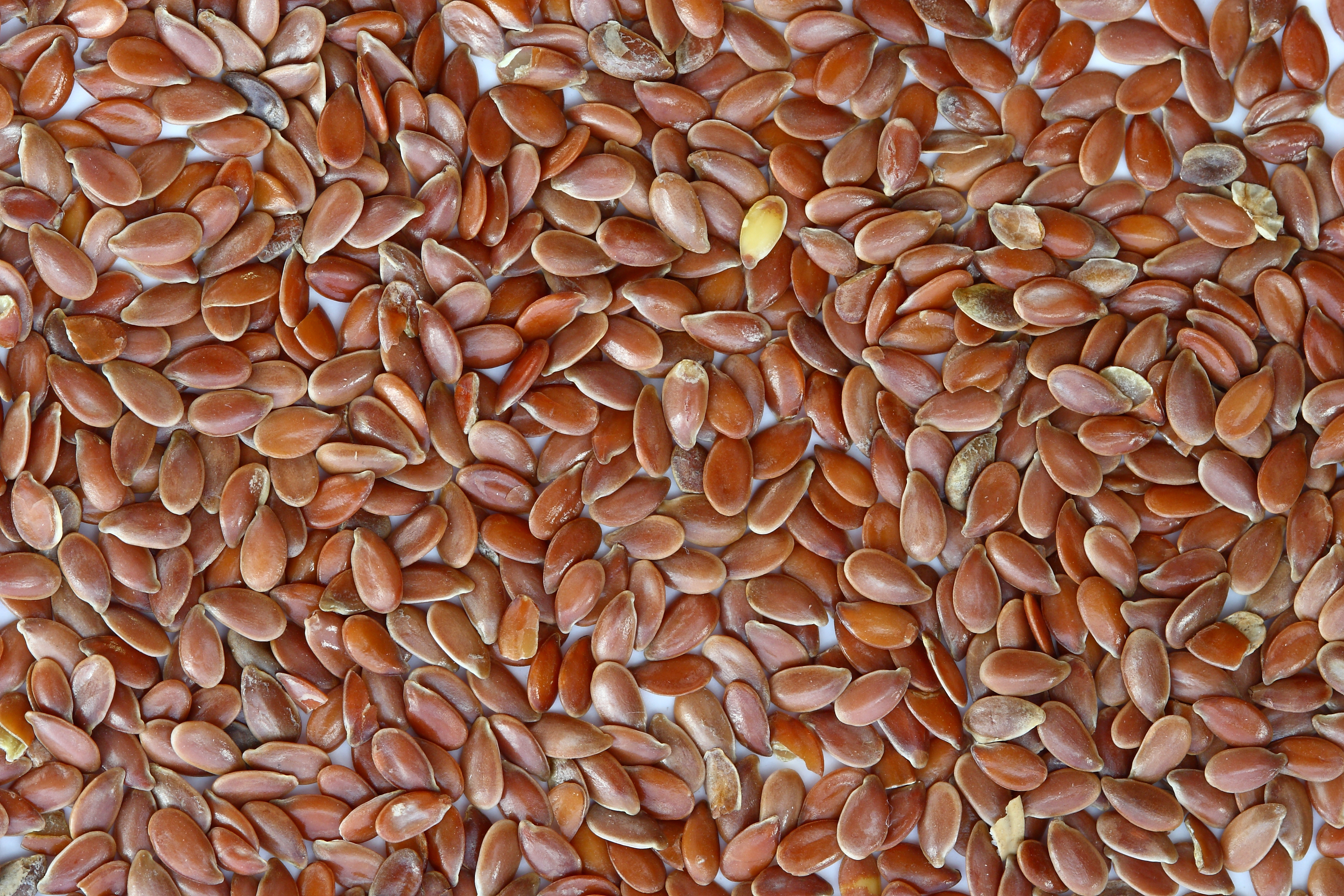 |
| Flax Seeds: Best foods don't taste better! |
To use flaxseeds,
grind them in a blender and then sprinkle a tablespoonful on oatmeal or
whir into smoothies. Store any remaining seeds in the fridge to prevent
spoilage.
Just as DHA is important for the brain development of babies, it may
benefit the brain at the other end of life too. Preliminary studies
suggest that increased DHA intake may help prevent age-related dementia.
Tuna is a handy and inexpensive source of omega-3 fats, but choose tuna
packed in water, which offers more omega-3s than versions packed in
oil. (Some of the omega-3s are transferred to the oil, which most people
drain off.) Other omega-3-rich fish include mackerel, halibut,
anchovies, and rainbow trout. Avocadoes are also high in omega-3s.
Eggs
 Omega-3-enhanced eggs are widely available in stores and farmers
markets. They tend to have darker yolks than regular eggs. The omega-3
fatty acid DHA is found in yolks only; egg whites contain no fatty
acids. If you eat a breakfast of omega-3-enhanced eggs, you'll start
your day with the potential health benefits of omega-3s, including
protecting the heart and possibly reducing risks of dementia.
Omega-3-enhanced eggs are widely available in stores and farmers
markets. They tend to have darker yolks than regular eggs. The omega-3
fatty acid DHA is found in yolks only; egg whites contain no fatty
acids. If you eat a breakfast of omega-3-enhanced eggs, you'll start
your day with the potential health benefits of omega-3s, including
protecting the heart and possibly reducing risks of dementia.Beans
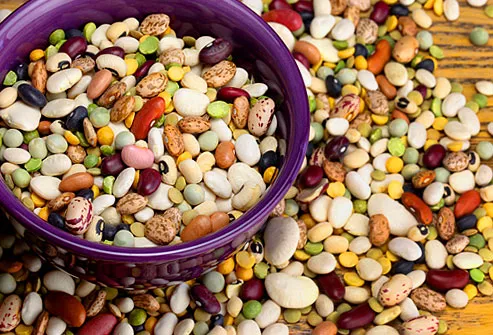 |
| Bowl of Beans |
Mix edamame (green soybeans), pinto, or kidney beans into soups, chili,
and salads to boost your intake of the omega-3 fatty acid ALA. There is
more evidence supporting the health benefits of fish-based omega-3s EPA
and DHA, but the body can convert some plant-based ALA into EPA and DHA,
too.
Fortified Milk

Children should also get omega-3 fatty acids, although there's no
guideline as to how much. Food sources are preferable to supplements.
Omega-3-fortified milk and yogurt are dairy choices for children who
don't like fish. Many infant formulas now include the omega-3 fatty acid
DHA because some research suggests it aids in brain development.
Use oils carefully
Choose oils that are high in omega-3 fatty acids for sautéing, baking,
and dressing salads. Canola, soybean, and walnut oils are all good
choices.

Just remember that while omega-3s are good fats, oils are still
high in calories, so use them sparingly. And don't worry: High cooking
heat won't destroy their benefits.

Spinach, Kale, and Leafy Greens
Add the omega-3 fatty acid ALA to the nutritional benefits
found in leafy greens. A spinach salad, a side of sautéed collard
greens, and lettuce on a sandwich all boost ALA intake. That's good
because fatty acids don't just promote heart health.
Studies now suggest
they may help other conditions, including cancer, inflammatory bowel
disease, lupus, and rheumatoid arthritis.

Seaweed
The same omega-3 fatty acid that's found in cold-water fish --
docosahexaenoic acid (DHA) -- can be found in seaweed and algae.
Although seaweed salad can often be found on the menu at sushi
restaurants, you might find it in the refrigerated case in the grocery
store, too. You're more likely to get the benefits of algae from a daily
supplement. Both are good sources of omega-3s for vegetarians.

Soya Foods
Grocery shelves are full of foods made from soybeans: tofu,
miso, tempeh, soy milk, and edamame.
Soy products have many benefits,
including the plant-based fatty acid ALA. Substitute soy-based vegetable
protein for ground meat in chili, add edamame to your casserole and
stir fries, use soy milk in smoothies, and snack on roasted soybeans to
increase omega-3s.
Omega-3 Supplements: Cod Liver Oil

Recommended daily doses vary from 500 mg to
3 grams. Higher omega-3 intakes may increase the risk of bleeding or
interact with certain medications, so consult your doctor before
starting any supplements.
For further details log on to http://brainandspineindia.com

No comments:
Post a Comment