Thursday, June 12, 2014

Omega Strength To Your Brain !


Dr Arun L Naik, Neurosurgeon and Spine Surgeon Bangalore India
http://neurosurgeonbangalore.com

You cant make O3FA

 Omega-3 fatty acids are critical for good health, yet the body can't make these vital fats on its own, so you need to eat omega-3-rich foods several times a week to maintain an adequate supply.

Omega-3s play a variety of roles in the body, but they're best known for supporting heart and brain health. They help the heart by preventing abnormal heart rhythms, and they also ease the inflammation that can contribute to coronary artery blockages. 

DHA, an omega-3 in fish, eggs, and organ meats, is a necessary building block for brain development in babies before and after birth. Research also suggests that nourishing your brain with omega-3s may reduce your risk of depression and related mood disorders.

How Omega-3s Help the Heart 

Omega-3s can reduce triglycerides (a type of fat in your blood) and raise HDL (the "good" cholesterol) that can reduce your risk of heart disease and lower blood pressure slightly. The two omega-3s most important to the heart are EPA and DHA, found in fish, especially fatty fish. That's why the American Heart Association recommends at least two servings of omega-3-rich fish a week. Standout sources include salmon, sardines, tuna, and herring 

Fish 

It might take two to three months of frequent meals of fatty fish or other omega-rich foods for your body to achieve a healthy level of these fats (and for you to see the benefits).
 "You can't just eat some salmon and expect to feel better tomorrow" 


In addition to coldwater fish, fortified eggs are another good source. Be sure to choose a brand that includes DHA, which may offer a wider range of health benefits than ALA, another omega-3 commonly added to eggs.

Walnuts

Walnut: Nature made it look like what it makes.... Brain !
Walnuts and flaxseeds contain ALA, making them an important choice for vegetarians or people who don't eat fish. But the body doesn't use ALA as efficiently as DHA and EPA, so you may miss some health benefits if it's your only omega-3 source. 

Flax Seeds
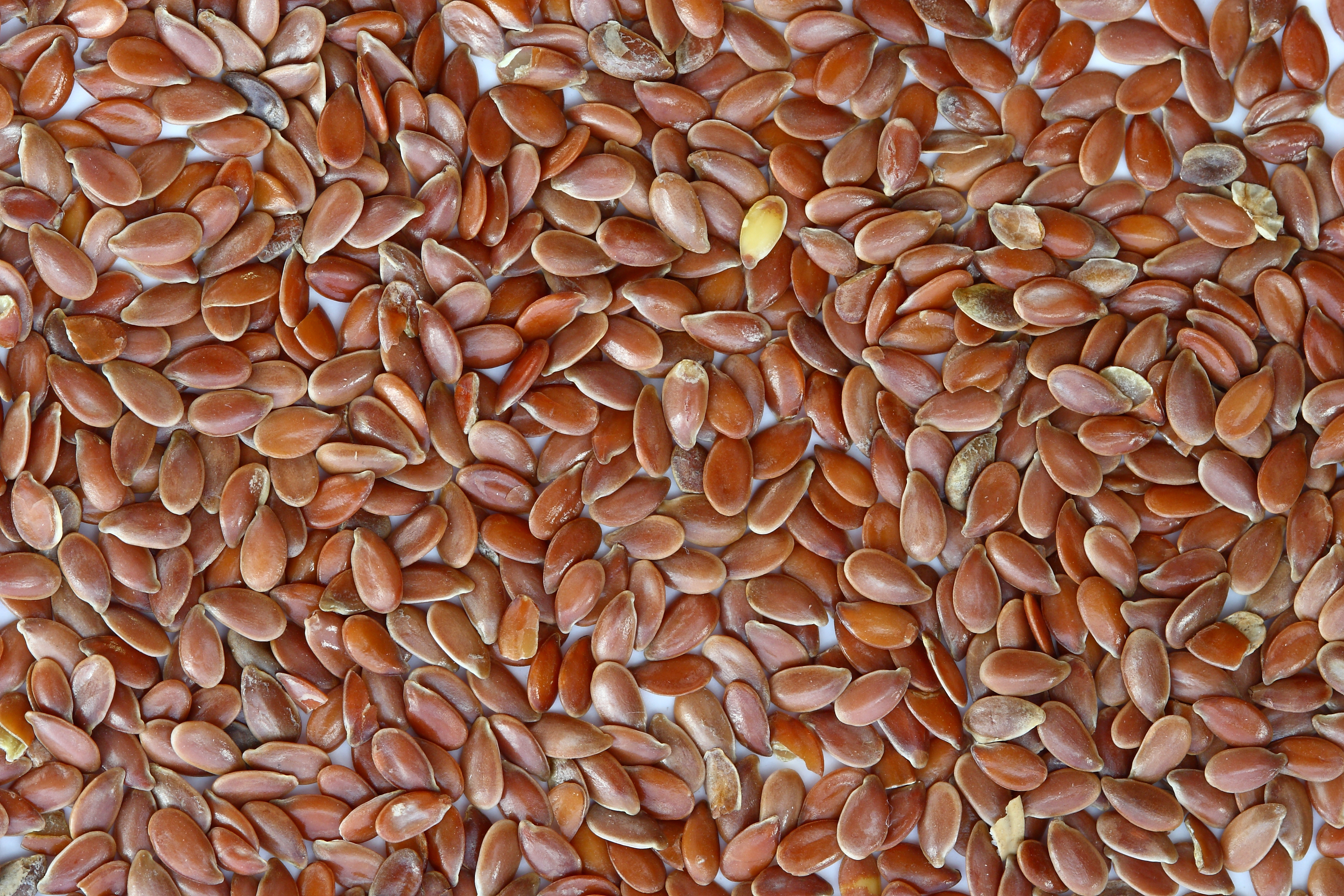
Flax Seeds: Best foods don't taste better!
To use flaxseeds, grind them in a blender and then sprinkle a tablespoonful on oatmeal or whir into smoothies. Store any remaining seeds in the fridge to prevent spoilage.

Just as DHA is important for the brain development of babies, it may benefit the brain at the other end of life too. Preliminary studies suggest that increased DHA intake may help prevent age-related dementia. Tuna is a handy and inexpensive source of omega-3 fats, but choose tuna packed in water, which offers more omega-3s than versions packed in oil. (Some of the omega-3s are transferred to the oil, which most people drain off.) Other omega-3-rich fish include mackerel, halibut, anchovies, and rainbow trout. Avocadoes are also high in omega-3s.


Eggs

Omega-3-enhanced eggs are widely available in stores and farmers markets. They tend to have darker yolks than regular eggs. The omega-3 fatty acid DHA is found in yolks only; egg whites contain no fatty acids. If you eat a breakfast of omega-3-enhanced eggs, you'll start your day with the potential health benefits of omega-3s, including protecting the heart and possibly reducing risks of dementia.


Beans

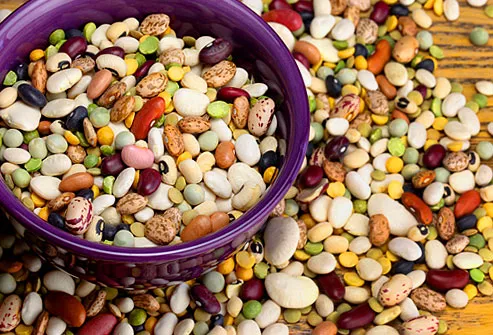
Bowl of Beans
Mix edamame (green soybeans), pinto, or kidney beans into soups, chili, and salads to boost your intake of the omega-3 fatty acid ALA. There is more evidence supporting the health benefits of fish-based omega-3s EPA and DHA, but the body can convert some plant-based ALA into EPA and DHA, too.


Fortified Milk


Children should also get omega-3 fatty acids, although there's no guideline as to how much. Food sources are preferable to supplements. Omega-3-fortified milk and yogurt are dairy choices for children who don't like fish. Many infant formulas now include the omega-3 fatty acid DHA because some research suggests it aids in brain development.

Use oils carefully


Choose oils that are high in omega-3 fatty acids for sautéing, baking, and dressing salads. Canola, soybean, and walnut oils are all good choices. 

 
Just remember that while omega-3s are good fats, oils are still high in calories, so use them sparingly. And don't worry: High cooking heat won't destroy their benefits. 
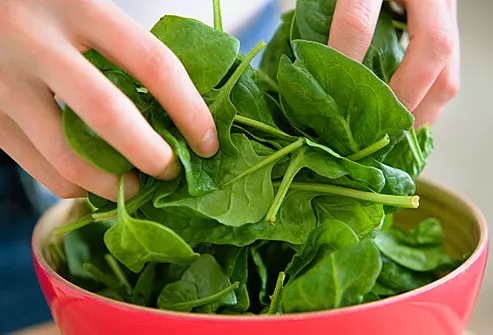


Spinach, Kale, and Leafy Greens

Add the omega-3 fatty acid ALA to the nutritional benefits found in leafy greens. A spinach salad, a side of sautéed collard greens, and lettuce on a sandwich all boost ALA intake. That's good because fatty acids don't just promote heart health. 


Studies now suggest they may help other conditions, including cancer, inflammatory bowel disease, lupus, and rheumatoid arthritis.
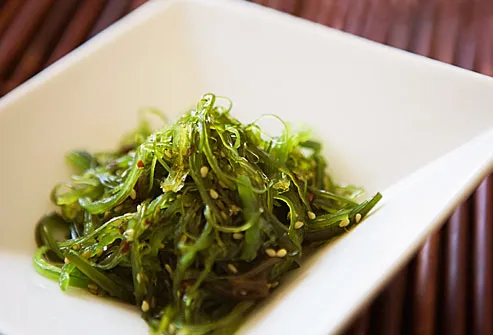
 

Seaweed

The same omega-3 fatty acid that's found in cold-water fish -- docosahexaenoic acid (DHA) -- can be found in seaweed and algae. 

Although seaweed salad can often be found on the menu at sushi restaurants, you might find it in the refrigerated case in the grocery store, too. You're more likely to get the benefits of algae from a daily supplement. Both are good sources of omega-3s for vegetarians.

 

Soya Foods


Grocery shelves are full of foods made from soybeans: tofu, miso, tempeh, soy milk, and edamame. 

Soy products have many benefits, including the plant-based fatty acid ALA. Substitute soy-based vegetable protein for ground meat in chili, add edamame to your casserole and stir fries, use soy milk in smoothies, and snack on roasted soybeans to increase omega-3s.

 Omega-3 Supplements: Cod Liver Oil


Most Americans don't get enough omega-3s in their diets. It's best to get them from foods, but supplements may help fill in the gaps if needed. You can choose from fish oil capsules or vegetarian-friendly supplements made from algae. 
Recommended daily doses vary from 500 mg to 3 grams. Higher omega-3 intakes may increase the risk of bleeding or interact with certain medications, so consult your doctor before starting any supplements.

For further details log on to http://brainandspineindia.com


How to prevent brain stroke?

Dr Arun L Naik, Brain Surgeon, Bangalore, India


Regardless of your age or family history, a stroke doesn't have to be inevitable. Here are some ways to protect yourself starting today.
This year, 425,000 women will have a stroke—55,000 more strokes than men will have. Age makes us more susceptible, as does having a mother, father, or other close relative who has had a stroke.

You can't reverse the years or change your family history, but there are many other stroke risk factors that you can control—provided that you're aware of them. "Knowledge is power," If you know that a particular risk factor is sabotaging your health and predisposing you to a higher risk of stroke, you can take steps to alleviate the effects of that risk


Here are eight ways to start reining in your risks today, before a stroke has the chance to strike.


1 Lower blood pressure

High blood pressure is a huge factor, doubling or even quadrupling your stroke risk if it is not controlled. High blood pressure is the biggest contributor to the risk of stroke in both men and women. Monitoring blood pressure and, if it is elevated, treating it, is probably the biggest difference women can make to their vascular health.


Your goal: Maintain a blood pressure of less than 120 (top number) over less than 80 (bottom number).

How to achieve it:

  • Reduce the salt in your diet to no more than 1,500 milligrams a day (about a half teaspoon). 
  • Avoid high-cholesterol foods, such as burgers, cheese, and ice cream. 
  • Eat 4 to 5 cups of fruits and vegetables every day, fish two to three times a week, and several daily servings of whole grains and low-fat dairy. 
  • Get more exercise—at least 30 minutes of activity a day, and more, if possible. 
  • Quit smoking, if you smoke. 
  • If needed, take blood pressure medicines.

2 Lose weight

Obesity, as well as the complications linked to it (including high blood pressure and diabetes), raises your odds of having a stroke. If you're overweight, losing as little as 10 pounds can have a real impact on your stroke risk.
Your goal: Keep your body mass index (BMI) at 25 or less.


How to achieve it:

  • Limit or avoid saturated and trans fats. 
  • Try to eat no more than 1,500 to 2,000 calories a day (depending on your activity level and your current body mass index). 


  • Increase the amount of exercise you do with such activities as walking, golfing, or playing tennis, and by making activity part of every single day. 

3 Exercise more

Exercise contributes to losing weight and lowering blood pressure, but it also stands on its own as an independent stroke reducer. One 2012 study found that women who walked three hours a week were less likely to have a stroke than women who didn't walk.
Your goal: Exercise at a moderate intensity at least five days a week.


How to achieve it:

  • Take a walk around your neighborhood every morning after breakfast. 
  • Start a fitness club with friends. 
  • When you exercise, reach the level at which you're breathing hard, but you can still talk. 
  • Take the stairs instead of an elevator when you can. 
  • If you don't have 30 consecutive minutes to exercise, break it up into 10- to 15-minute sessions a few times each day. 

4 Drink—in moderation

What you've heard is true. Drinking can make you less likely to have a stroke—up to a point. "Studies show that if you have about one drink per day, your risk may be lower," according to Dr. Rost. "Once you start drinking more than two drinks per day, your risk goes up very sharply."
Your goal: Drink alcohol in moderation.


How to achieve it:

  • Have one glass of alcohol a day. 
  • Make red wine your first choice, because it contains resveratrol, which is thought to protect the heart and brain. 
  • Watch your portion sizes. A standard-sized drink is a 5-ounce glass of wine, 12-ounce beer, or 1.5-ounce glass of hard liquor. 
  • Take a baby aspirin

5. Aspirin tablets

Your goal: Take a baby aspirin every day (if it's appropriate for you).


How to achieve it: First talk to your doctor to make sure aspirin is safe and appropriate for you to take. If you have a bleeding disorder, you may need to reduce your dose to every other day or avoid this regimen altogether.


6 Treat atrial fibrillation

Atrial fibrillation is a form of irregular heartbeat that causes clots to form in the heart. Those clots can then travel to the brain, producing a stroke. Atrial fibrillation carries almost a fivefold risk of stroke, and should be taken seriously.
Your goal: If you have atrial fibrillation, get it treated.


How to achieve it:

If you have symptoms such as heart palpitations or shortness of breath, see your doctor for an exam.
You may need to take blood thinners such as high-dose aspirin or warfarin (Coumadin) to reduce your stroke risk from atrial fibrillation. Your doctors can guide you through this treatment.


7 Treat diabetes

Having high blood sugar over time damages blood vessels, making clots more likely to form inside them.
Your goal: Keep your blood sugar under control.


How to achieve it:

  • Monitor your blood sugar as directed by your doctor.
  • Use diet, exercise, and medicines to keep your blood sugar within the recommended range.


8 Quit smoking

Smoking accelerates clot formation in a couple of different ways. It thickens your blood, and it increases the amount of plaque buildup in the arteries. Along with a healthy diet and regular exercise, smoking cessation is one of the most powerful lifestyle changes that will help you reduce your stroke risk significantly.

Your goal: Quit smoking.


How to achieve it:


  • Ask your doctor for advice on the most appropriate way for you to quit.
  • Use quit-smoking aids, such as nicotine pills or patches, counseling, or medicine.
  • Don't give up. Most smokers take several tries to quit. See each failed attempt as bringing you one step closer to successfully beating the habit.


Identify a stroke F-A-S-T


Too many women ignore the signs of stroke because they question whether their symptoms are real. My recommendation is, don't wait if you have any unusual symptoms. Women should listen to their bodies and trust their instincts. If something is off, get professional help right away.


The National Stroke Association has created an easy acronym to help you remember, and act on, the signs of a stroke. Cut out this box and post it on your refrigerator for easy reference.

Other signs of a stroke include

  • weakness on one side of the body
  • numbness of the face
  • unusual and severe headache
  • vision loss
  • numbness and tingling
  • unsteady walk
Contact Dr Arun L Naik, Neurosurgeon Bangalore India for stroke helpline.


Tuesday, June 10, 2014

Microscopic brain surgery: Dr Arun L Naik Neurosurgeon India

Dr Arun L Naik, Neurosurgeon Bangalore India

Microscopic Brain Surgery
Microscopic surgery has brought many advantages to patients with a variety of conditions. Microscopic brainsurgery is used to treat aneurysms, remove tumors, and treat other brain conditions, while microscopic spinal surgery is utilized to relieve pressure on nerve roots, treat herniated discs, and relieve other spinal conditions. These types of surgery use advanced microscopic imaging, allowing the surgeon to reach the problem site with smaller incisions and less tissue damage. Patients typically have a quicker recovery time and less postoperative pain compared to open surgery. Eligibility for microscopic surgery is dependent the specifics of the patient’s condition.


What is craniotomy?


Craniotomy: cranio= skull tomy=opening.
Simpy meaning craniotomy is opening the skull. Craniotomy is a very old procedure, even mentioned in medieval times! Offcourse, those times, skull was being cut with sharp stones and heavy metal objects while the patient is fully awake. Many patients never regained consciousness after surgery!
Gradual refinement in surgical techniques along with discovery of antibiotics have brought in much needed comfort for patients.
Craniotomy is performed for various diseases of the brain. Brain tumors, stroke, trigeminal neuralgia, brain injury are all managed with this technique. Lets consider it step by step.
Human craniotomy is usually performed under general anesthesia but can be also done with the patient awake using a local anaesthetic; the procedure typically does not involve significant discomfort for the patient. In general, a craniotomy will be preceded by an MRIscan which provides a picture of the brain  that the surgeon uses to plan the precise location for bone removal and the appropriate angle of access to the relevant brain areas. The amount of skull that needs to be removed depends to a large extent on the type of surgery being performed.

Skin incision
After the scalp is prepped with an antiseptic, a skin incision is made, usually behind the hairline.

The surgeon attempts to ensure a good cosmetic result after surgery. Sometimes a hair sparing technique can be used that requires shaving only a 1/4-inch wide area along the proposed incision. Sometimes the entire incision area may be shaved.

Opening the skull
The skin and muscles are lifted off the bone and folded back. Next, one or more small burr holes are made in the skull with a drill. Inserting a special saw through the burr holes, the surgeon uses this craniotome to cut the outline of a bone flap.

The cut bone flap is lifted and removed to expose the protective covering of the brain called the dura. The bone flap is safely stored until it is replaced at the end of the procedure.
Exposure of the brain
After opening the dura with surgical scissors, the surgeon folds it back to expose the brain. Retractors placed on the brain gently open a corridor to the area needing repair or removal. Neurosurgeons use special magnification glasses, called loupes, or an operating microscope to see the delicate nerves and vessels.

Adressing the problem
Because the brain is tightly enclosed inside the bony skull, tissues cannot be easily moved aside to access and repair problems. Neurosurgeons use a variety of very small tools and instruments to work deep inside the brain.

These include long-handled scissors, dissectors and drills, lasers, ultrasonic aspirators (uses a vibrations to break up tumors and suck up the tumor), and computer image-guidance systems. In some cases, evoked potential monitoring is used to stimulate specific cranial nerves while the response is monitored in the brain. This is done to preserve function of the nerve and make sure it is not further damaged during surgery.

Closure of the craniotomy wound
 With the problem removed or repaired, the retractors holding the brain are removed and the dura is closed with sutures. The bone flap is replaced back in its original position and secured to the skull with titanium plates and screws

The plates and screws remain permanently to support the area; these can sometimes be felt under your skin. In some cases, a drain may be placed under the skin for a couple of days to remove blood or fluid from the surgical area. The muscles and skin are sutured back together. A soft adhesive dressing is placed over the incision.

What happens after surgery?

After surgery, you are taken to the recovery room where vital signs are monitored as you awake from anesthesia. The breathing tube (ventilator) usually remains in place until you fully recover from the anesthesia. Next, you are transferred to the neuro intensive care unit (NSICU) for close observation and monitoring. You are frequently asked to move your arms, fingers, toes, and legs.
A nurse will check your pupils with a flashlight and ask questions, such as "What is your name?" You may experience nausea and headache after surgery; medication can control these symptoms. Depending on the type of brain surgery, steroid medication (to control brain swelling) and anticonvulsant medication (to prevent seizures) may be given. When your condition stabilizes, you’ll be transferred to a regular room where you’ll continue to be monitored and begin to increase your activity level.
The length of the hospital stay varies, from only 2 to 7 days depending on the surgery and development of any complications. When released from the hospital, you’ll be given discharge instructions. Stitches or staples are removed 7–10 days after surgery in the doctor’s office.

Discomfort

  • After surgery, headache pain is managed with a narcotic medication. Thereafter, pain is managed with acetaminophen and nonsteroidal anti-inflammatory drugs (NSAIDs) (e.g., aspirin; ibuprofen).
  • A medicine (anticonvulsant) may be prescribed temporarily to prevent seizures. Common anticonvulsants include Dilantin (phenytoin), Tegretol (carbamazepine). Some patients develop side effects (e.g., drowsiness, balance problems, rashes) caused by these anticonvulsants. In these cases, blood samples are taken to monitor the drug levels and manage the side effects.

Restrictions

  • Do not drive after surgery until discussed with your surgeon and avoid sitting for long periods of time.
  • Do not lift anything heavier than 5 kg including children.
  • Housework is not permitted until the first follow-up office visit. (gardening, mowing, vacuuming, ironing, and loading/unloading the dishwasher, washer, or dryer.)
  • Do not drink alcoholic beverages.
Activity
  • Gradually return to your normal activities. Fatigue is common.
  • An early exercise program to gently stretch the neck and back may be advised.
  • Walking is encouraged; start with short walks and gradually increase the distance. Wait to participate in other forms of exercise until discussed with your surgeon.
Bathing/Incision Care
  • You may shower and shampoo 3 to 4 days after surgery unless otherwise directed by your surgeon.
  • Sutures or staples, which remain in place when you go home, will need to be removed 7 to 14 days after surgery. Ask your surgeon or call the office to find out when.
When to Call Your Doctor
If you experience any of the following:
  • A temperature that exceeds 101º F
  • An incision that shows signs of infection, such as redness, swelling, pain, or drainage.
  • If you are taking an anticonvulsant, and notice drowsiness, balance problems, or rashes.
  • Decreased alertness, increased drowsiness, weakness of arms or legs, increased headaches, vomiting, or severe neck pain that prevents lowering your chin toward the chest.

Recovery

The recovery time varies from 1 to 4 weeks depending on the underlying disease being treated and your general health. Full recovery may take up to 8 weeks. Walking is a good way to begin increasing your activity level. Start with short, frequent walks within the house and gradually try walks outside. It’s important not to overdo it, especially if you are continuing treatment with radiation or chemotherapy. Ask your surgeon when you can expect to return to work.


What are the risks?

No surgery is without risks. General complications of any surgery include bleeding, infection, blood clots, and reactions to anesthesia. Specific complications related to a craniotomy may include:
  • stroke
  • seizures
  • swelling of the brain, which may require a second craniotomy
  • nerve damage, which may cause muscle paralysis or weakness
  • CSF leak, which may require repair
  • loss of mental functions
  • permanent brain damage with associated disabilities

What are the results?

The results of your craniotomy depend on the underlying condition being treated.